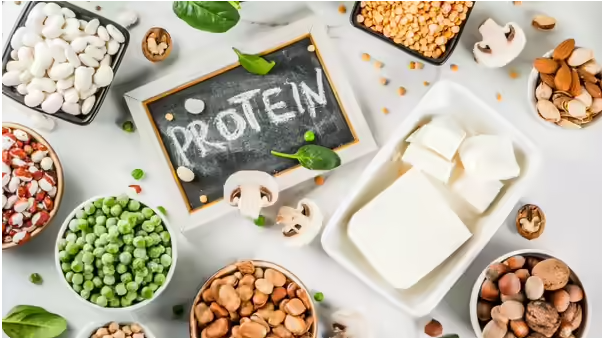
Food is essential for survival, health, and overall well-being. Choosing the right diet directly influences physical strength, immunity, and mental performance. Protein-rich foods are crucial for muscle development and body repair. Understanding the food chain helps explain ecological balance, while fast food represents modern lifestyle eating patterns.
Today’s world requires balancing convenience and nutrition. Protein-rich foods provide strength, the food chain explains energy flow in nature, and fast food offers quick meals but may affect long-term health.
Understanding Protein-Rich Foods
Protein-rich foods are dietary sources that contain high amounts of protein, an essential macronutrient required for growth and tissue repair.
Protein supports:
- Muscle development
- Immune system strength
- Cell repair
- Hormone production
- Hair and skin health
Protein-rich foods are especially important for children, athletes, and recovering patients.
Types of Protein-Rich Foods
Protein can be obtained from both animal and plant sources.
Animal Protein Sources
- Eggs
- Chicken
- Fish
- Milk and dairy products
- Lean meat
Animal protein contains all essential amino acids required by the human body.
Plant-Based Protein Sources
- Lentils
- Beans
- Soy products
- Nuts and seeds
- Whole grains
Plant protein is preferred by vegetarians and individuals aiming for low-fat nutrition.
Benefits of Eating Protein-Rich Foods
Consuming adequate protein-rich foods provides multiple health advantages.
Muscle Growth and Repair
Protein helps muscle tissue recover after exercise. Athletes depend heavily on protein-rich foods for performance improvement.
Immune System Support
Protein contributes to antibody production, helping the body fight infections.
Weight Management
Protein-rich foods increase satiety, reducing overeating and calorie intake.
Skin and Hair Health
Keratin protein supports strong hair and healthy skin.
Regular consumption of protein-rich foods supports long-term wellness.
Role of Protein-Rich Foods in Daily Diet
Nutrition experts recommend balanced protein intake based on age, gender, and physical activity.
Suggested daily distribution may include:
- Protein-rich breakfast such as eggs or dairy
- Lunch containing lentils, beans, or chicken
- Evening snacks like nuts or protein supplements
Proper timing improves digestion and nutrient absorption.
Understanding the Food Chain
The food chain is a biological system showing how energy flows between organisms in an ecosystem.
The main levels include:
- Producers – plants and algae
- Primary consumers – herbivores
- Secondary consumers – small carnivores
- Tertiary consumers – apex predators
The food chain maintains ecological stability by controlling population growth.
Importance of Food Chain in Ecosystem Balance
The food chain ensures environmental sustainability.
Disruption in one level affects the entire ecosystem. For example:
- Fewer plants reduce herbivore population
- Reduced herbivores affect carnivores
Human activities such as deforestation and pollution disturb natural ecological cycles.
Sustainable agriculture supports biodiversity and protein-rich food production.
Fast Food and Modern Lifestyle
Fast food is popular due to urbanization and busy schedules.
Fast food is defined as ready-to-eat processed food available quickly through restaurants or delivery systems.
Common fast food items include:
- Burgers
- Fries
- Pizza
- Processed snacks
Fast food offers convenience but requires controlled consumption.
Health Effects of Fast Food Consumption
Risk of Obesity
Fast food contains high calories, sugar, and saturated fat.
Regular consumption may lead to weight gain.
Cardiovascular Risks
Trans fats in processed food can increase cholesterol levels.
Nutritional Deficiency
Fast food often lacks vitamins, minerals, and protein-rich nutrition.
Replacing fast food with protein-rich foods improves health outcomes.
Balancing Protein-Rich Foods and Fast Food
Modern nutrition emphasizes moderation rather than complete restriction.
Healthy lifestyle planning includes:
- Increasing protein-rich food intake
- Reducing processed fast food consumption
- Drinking adequate water
- Maintaining regular exercise
Balanced nutrition supports long-term health stability.
Growth of Fast Food Industry
Fast food industry expansion is driven by:
- Urbanization
- Online food delivery services
- Changing consumer behavior
- Time constraints in modern life
Nutrition experts encourage inclusion of protein-rich foods even when fast food is consumed occasionally.
Human Responsibility in the Food Chain
Humans are part of the ecological food chain.
Responsible consumption supports environmental sustainability.
Key practices include:
- Supporting sustainable farming
- Reducing food waste
- Promoting plant-based protein production
Ethical food consumption helps maintain ecosystem stability.
Importance of Nutrition Awareness
Nutrition education helps people make healthier food choices.
Schools and public health programs promote:
- Awareness of protein-rich foods
- Risks of excessive fast food consumption
- Importance of ecological balance
Better knowledge reduces lifestyle diseases.
Future of Food and Nutrition
The future of nutrition focuses on sustainable and protein-rich food sources.
Emerging trends include:
- Plant-based protein technology
- Environmentally friendly agriculture
- Healthier fast food menu options
Food sustainability will play a major role in global health and environmental protection.
Conclusion
Protein-rich foods are essential for muscle growth, immunity, and disease prevention. Understanding the food chain helps explain ecological balance. Fast food offers convenience but should be consumed responsibly.
Maintaining balance between protein-rich foods and fast food is crucial for long-term health.
Awareness of nutrition and responsible eating habits can improve quality of life. Sustainable dietary practices will influence future global health and environmental protection.
The relationship between protein nutrition, food chain ecology, and fast food consumption reflects modern lifestyle patterns.
Leave a Reply